


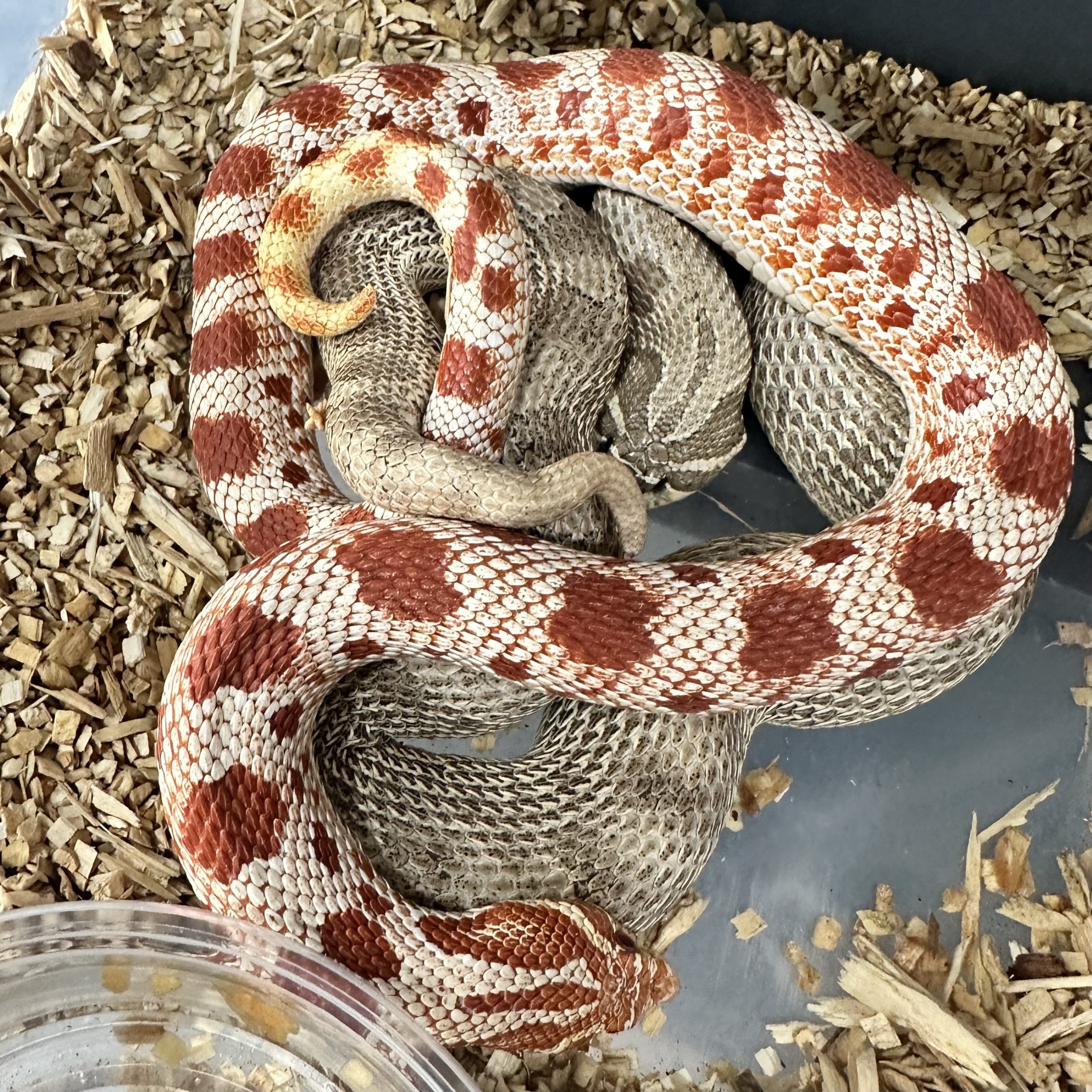
How to Breed Western Hognose Snakes: A Comprehensive Guide
Breeding Western Hognose snakes (Heterodon nasicus) can be a rewarding endeavor for reptile enthusiasts. These snakes are known for their unique behaviors and manageable size, making them popular among breeders. This guide provides a detailed overview of the breeding process, ensuring you’re well-equipped for a successful season.
Table of Contents
1. Understanding Western Hognose Snakes
2. Determining Sex and Maturity
3. Brumation: Preparing for Breeding
4. Pairing and Copulation
5. Post-Mating Care
6. Egg Laying and Incubation
7. Hatchling Care
8. Common Challenges and Tips
- Understanding Western Hognose Snakes
Western Hognose snakes are native to North America and are renowned for their upturned snouts and dramatic defensive behaviors. They exhibit sexual dimorphism, with females typically larger than males. Their docile nature and variety of color morphs make them a favorite among breeders.Wikipediasnakesinfo.com - Determining Sex and Maturity
Sexing Your Snakes
• Males: Generally have longer, thinner tails.
• Females: Possess shorter, stubbier tails.
For accurate sexing, especially in juveniles, consider consulting an experienced breeder.
Breeding Age and Weight
• Males: Should be at least 1 year old and weigh a minimum of 50 grams.
• Females: Should be at least 2 years old and weigh over 200 grams.
Ensuring your snakes are of appropriate age and weight is crucial for successful breeding and the health of both the parents and offspring. - Brumation: Preparing for Breeding
Brumation is a period of dormancy that mimics winter conditions, stimulating reproductive behaviors. I live in Knoxville, TN and the method below works for me. You may need to fine tune your timing according to your region.
Steps for Brumation:- Timing: Initiate brumation on Thanksgiving weekend.
- Fasting: Cease feeding 2 weeks prior to brumation.
- Temperature Reduction: Gradually lower temperatures to 50–60°F (10–16°C) over a week.
- Duration: Maintain these conditions until February 1st.
- Hydration: You can provide fresh water throughout or use damp coco coir as substrate during brumation. I remove Hognose from their enclosures and put them in Iris shoebox tubs with air holes and damp coco coir during brumation to make it easier to put them in a cold closet or wine fridge.
After brumation, slowly return temperatures to normal over a week and resume feeding.
- Pairing and Copulation
Introducing the Pair
• Timing: Begin introductions 1–2 weeks after brumation.
• Observation: Place the male into the female’s enclosure and monitor for courtship behaviors.
• Duration: Allow the pair to interact for several days, repeating the process every few days over a 3-4 week period. Separate to feed!
Successful copulation may be indicated by the male aligning his tail with the female’s and remaining in this position for extended periods. - Post-Mating Care
Monitoring the Female
• Feeding: Increase feeding frequency to support egg development.
• Behavioral Changes: Look for signs of gravidity, such as increased girth and restlessness.
• Pre-Lay Shed: A shed occurring approximately 7-12 days before egg laying.
Provide a nesting box with moist substrate to facilitate comfortable egg laying. - Egg Laying and Incubation
Egg Laying
• Timeline: Eggs are typically laid 4–6 weeks after mating.
• Clutch Size: Females can lay between 4 and 25 eggs.
Incubation
• Incubator Setup: Maintain a temperature of 80–82°F (27–29°C) with high humidity.
• Medium: Use a substrate like Hatch Rite. Alternately you can use vermiculite or perlite.
• Duration: Incubation lasts approximately 50–55 days.
Regularly check for mold and remove any infertile eggs to prevent contamination. - Hatchling Care
Initial Steps
• Housing: Place hatchlings in individual enclosures with appropriate temperature gradients.
• Feeding: Offer appropriately sized prey like day old pinky mice within 7–10 days post-hatching.
Monitor each hatchling’s feeding response and health, adjusting care as needed. - Common Challenges and Tips
• Feeding Issues: Some hatchlings may refuse food initially; try offering different scents like tuna water or sardine water. Just dip the pinky head in the scenting juice before offering it to your baby Hognose
• Humidity Control: Maintain proper humidity to prevent shedding problems.
• Record Keeping: Document breeding dates, shedding, feeding, and health observations for each snake.
Consistent monitoring and adjustments are key to successful breeding and rearing of Western Hognose snakes.
Breeding Western Hognose snakes requires dedication and attention to detail, but with proper care and preparation, it can be a fulfilling experience. Always prioritize the health and well-being of your snakes throughout the process.